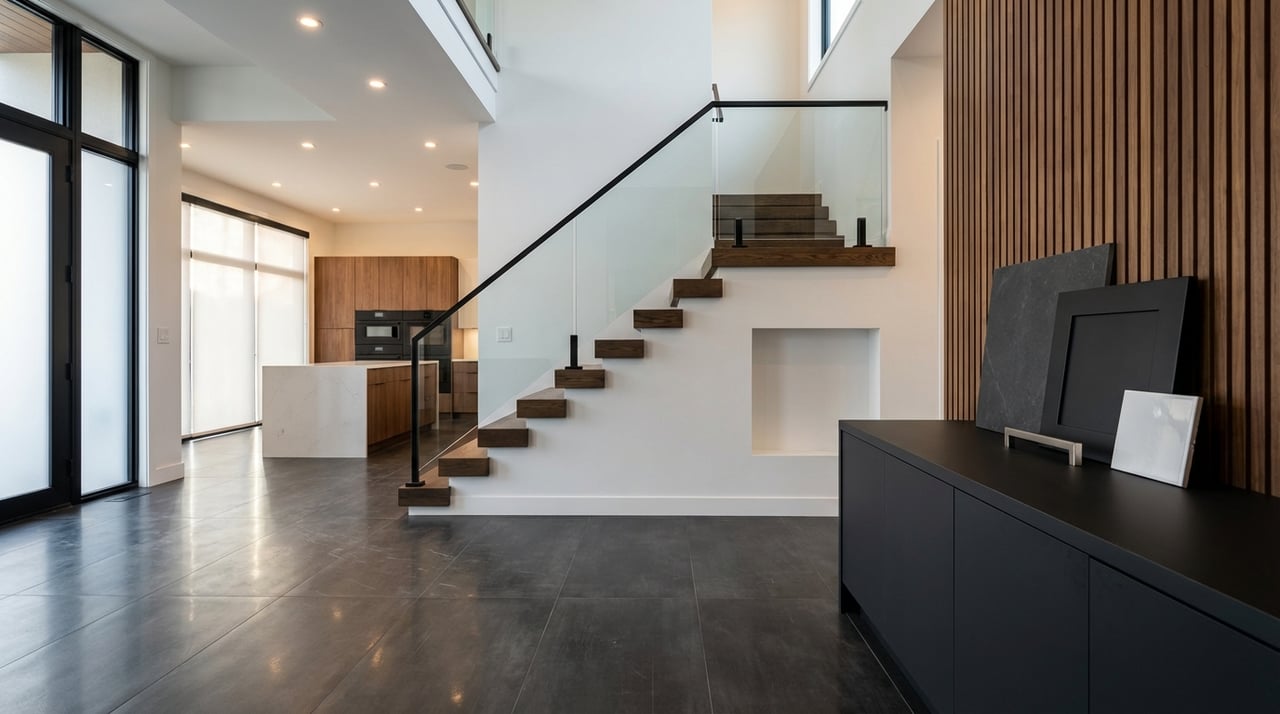
Thinking about building new in Woolwich Township but not sure where to start? You are not alone. New construction is exciting, yet the choices can feel overwhelming, from selecting a lot to navigating the design center and understanding warranties. In this guide, you will learn where most new-home communities cluster in Woolwich, how to compare builders and floor plans, how to budget for upgrades, and how New Jersey’s warranty rules protect you. Let’s dive in.
Why Woolwich Township for new builds
Woolwich Township sits in Gloucester County with quick access to Route 322, the New Jersey Turnpike, and I‑295, which makes it a strong choice for commuters in the greater Philadelphia area. The township highlights these corridors as key growth areas and has planned for residential development in these locations. You can review local context and contacts on the Woolwich Township site.
Where communities cluster
Most large new-home neighborhoods in Woolwich have been built in and around the Weatherby area along the Route 322 corridor. Municipal materials and neighborhood overviews describe this area as the primary growth hub that includes multiple phases and housing types over time. For a concise history and neighborhood context, see the LivingPlaces overview of Woolwich and Weatherby. New phases tend to appear near major roads and interchanges where utilities and access support larger subdivisions.
Active builders and what to expect
In recent years, production builders have offered single-family and townhome products in Woolwich. For example, Ryan Homes has marketed communities such as Weatherby Meadows and Balsam Estates. The builder’s pages outline current plans, included features, and any advertised incentives. For the latest details on features and models, check the builder’s page for Balsam Estates in Woolwich Township and confirm specifics with the on-site sales team.
Base prices, lot premiums, and move-in timelines change frequently. Before you visit, ask for a current features sheet, the standard finishes list, and a sample contract so you can compare apples to apples across communities.
How to compare builders and floor plans
Choosing a builder and plan is easier when you focus on a few objective checks.
Standard vs upgrades
Model homes often show many upgrades. Always request a written list of standard features and a separate list of upgrades with pricing. Compare categories like cabinets, countertops, HVAC, windows, lighting, and flooring. If something matters to you, verify whether it is included in the base home or priced as an add-on.
Lot and site factors
Lot choice has lasting impact. Ask about:
- Lot premiums and how they are set
- Drainage and grading plans
- Sun orientation in the backyard and main living areas
- Driveway type and setbacks
These items affect comfort, privacy, and long-term value, and many cannot be changed later.
Floor plan fit
Prioritize function over finishes. Walk the traffic flow from garage to kitchen, check home-office options, look at storage, and decide on bedroom placement. If you need a main-level bedroom or a larger mudroom, choose the plan that solves those needs first. You can add finishes later, but you cannot easily change the structure.
Reputation, registration, and warranty support
In New Jersey, builders must register with the Department of Community Affairs and must provide a new-home warranty. Coverage commonly runs for 1 year for most workmanship and materials, 2 years for mechanical, plumbing, and electrical systems, and 10 years for major structural defects. Review the DCA’s guidance on builder registration and warranty coverage on the New Home Warranty Program page. Ask how the builder handles punch lists and warranty claims, and request the actual warranty booklet you will receive at closing.
Timeline, deposits, and change orders
Confirm how much deposit is due at contract and whether selections at the design center require additional deposits. Ask how long you have to make structural choices and what happens if you change your mind later. Some builders allow late changes for a fee, while others lock selections early in the process.
Design center and upgrade strategy
You will likely spend additional money at the design center. A common planning range for many buyers is 5 to 15 percent of the base price, with a conservative starting point of 5 to 7 percent. The final number depends on your builder’s standard features and your choices.
Large-ticket items move the total fastest. Examples include lot premiums, full-house flooring upgrades, kitchen cabinetry and quartz or granite counters, structural bump-outs, extended garages, finished basements, upgraded electrical panels, and premium appliance packages. Smaller cosmetic items add up, but they rarely change your payment as much as structural options do.
Many builders collect part of the upgrade costs at selection time. Some buyers report paying a portion up front, with the balance rolled into the mortgage or paid at closing. Always confirm the schedule and whether any deposits are refundable.
Appraisals and financing impact
Appraisals typically reflect the final home as built and recent comparable sales. If your upgrades push the price above comparable homes in the area, you may need to bring cash to close or negotiate builder credits. Builders sometimes offer rate buydowns or closing cost incentives when you use their preferred lender. Compare the total package, not just the interest rate.
A quick payment example
If you add $20,000 in upgrades and finance them, the monthly principal and interest on a 30-year loan is roughly:
- About $126 per month at 6.5 percent
- About $140 per month at 7.5 percent
This example is only an estimate. Your actual payment depends on your interest rate, loan program, down payment, taxes, and insurance. Confirm numbers with your lender before you finalize selections.
Inspections and warranties in New Jersey
NJ builder registration and 1‑2‑10 coverage
New Jersey’s New Home Warranty and Builders’ Registration Act requires builders to register and to provide a warranty for each new home sold. According to the DCA, coverage commonly includes one year for most workmanship and materials, two years for mechanical, plumbing, and electrical systems, and ten years for major structural defects. Builders must show proof of warranty enrollment before a certificate of occupancy is issued. Review the rules and claims process on the NJ DCA warranty page.
Third-party warranty administrators
Many builders enroll homes in third-party, insurance-backed warranty programs that meet New Jersey requirements. Ask which program the builder uses and request the booklet that explains coverage and claims. For context on a widely used option, see the 2‑10 Home Buyers Warranty New Jersey program overview.
Independent phase inspections
Municipal inspections check code compliance, but they are not the same as an independent inspection that represents your interests. Many buyers hire an inspector for key phases: pre‑pour or foundation, pre‑drywall, and a final inspection before closing, plus an 11‑month inspection before the one‑year coverage window ends. Learn about these services from ASHI’s overview of home inspection specializations. Book your inspector early so they can meet the construction schedule.
Contracts and negotiation levers
Before you sign, line up your local advisor team. In New Jersey, many buyers also have a real estate attorney review the builder contract, especially for presales and custom options. Ask your attorney to check deposit protections, change-order rules, arbitration or mediation clauses, and how delays are handled.
Items to watch in a builder contract
- Deposit and where funds are held, plus refund triggers
- Base price lock and any escalation language for materials or labor
- Change-order process, allowances, and payment timing
- Closing timing windows, permits, and certificate of occupancy conditions
- Appraisal contingency and how appraisal gaps are handled
- Warranty plan used and dispute-resolution steps, with reference to NJ DCA protections
Quick buyer checklist for Woolwich new builds
- Confirm the builder is registered and which warranty plan applies. Ask for the warranty booklet before closing. See the NJ DCA program.
- Visit completed homes in the same community, not just the model.
- Request an itemized list of base inclusions and a written price list for upgrades and structural options.
- Set a design-center budget. Many buyers start with 5 to 15 percent of base price and adjust after seeing the standard features.
- Hire an independent inspector and schedule phase inspections, plus an 11‑month check. See ASHI’s guide.
- Ask who pays HOA initiation fees, utility hook-ups, and any special assessments.
- Confirm appraisal and lender process if upgrades raise the price above recent comps. Compare the total value of any preferred-lender incentives.
Final thoughts and local next steps
Woolwich Township offers the best of both worlds: access to major highways for easy commuting and a cluster of established, growing new-home neighborhoods near the Route 322 corridor. With a clear plan for upgrades, independent inspections, and careful contract review, you can build a home that fits your life and budget.
Need local, on-the-ground guidance as you compare builders and lots in Weatherby and across Woolwich? Connect with the Nancy Kowalik Group at Your Home Sold Guaranteed Realty for neighborhood-level insights, VIP access to opportunities, and a smooth, step-by-step path from lot selection to closing.
FAQs
Where are most new construction communities in Woolwich Township?
- Many large communities cluster around the Weatherby area along the Route 322 corridor, where the township has focused growth and infrastructure. See the Woolwich Township overview for local context.
How do New Jersey new-home warranties work for buyers?
- New Jersey requires builders to register and provide warranty coverage that commonly includes 1 year for most workmanship and materials, 2 years for systems, and 10 years for major structural defects. Review details on the NJ DCA New Home Warranty Program page.
What upgrade budget should I plan for on a new build in Woolwich?
- Many buyers plan 5 to 15 percent of the base price for design-center selections, then adjust after reviewing the builder’s standard features. Confirm exact pricing and deposits with the builder.
Do I still need inspections on a brand-new home?
- Yes. Independent phase inspections at pre‑pour, pre‑drywall, and before closing help catch issues early. An 11‑month inspection can address items before the one‑year coverage window ends. Learn more at ASHI’s inspection specializations.
Can I negotiate with a production builder in Woolwich?
- Often you can discuss lot premiums, closing cost incentives, and design-center credits. The best approach is to compare total packages across builders and have an attorney review contract language on deposits, change orders, and any escalation clauses.