If you plan to sell in Woolwich Township, you may have less time to make a first impression than you think. In a market where homes can move quickly, buyers often decide online before they ever schedule a showing. That means your pricing, presentation, and launch strategy need to work together from day one. Here’s how to market your home more strategically in Woolwich Township.
Why Woolwich marketing needs a plan
Woolwich Township offers more than just individual homes. Local facts support a broader lifestyle story, with access to I-295 and the New Jersey Turnpike less than two miles away, Philadelphia about 23 miles away, Wilmington about 19 miles away, and Philadelphia International Airport about 17 miles away.
The township also combines convenience with open space. Woolwich planning materials highlight smart-growth development along with more than 3,000 acres of preserved farmland and open space. For sellers, that means your marketing should show both the property and the lifestyle around it.
The local housing profile also matters. Census QuickFacts shows Woolwich Township had an estimated 14,858 residents as of July 1, 2025, with 80.6% owner-occupied housing, a median owner-occupied home value of $456,000, and a median household income of $157,778. Those numbers suggest many buyers will expect polished presentation and strong value from the start.
Use current Woolwich market signals
Recent market data points to a fast-moving environment. Redfin reports a median sale price of $625,000, 17 days on market, and homes selling 3.1% over list. Realtor.com reports a May 2026 median listing price of $575,500, a median sold price of $600,000, 57 active listings, a 13-day median on market, and a 100% sale-to-list ratio.
Even though public portals use different methods, the message is consistent. Well-positioned homes in Woolwich can attract attention quickly. That is why sellers should think of marketing as a pre-listing project, not something to piece together after the home goes live.
Realtor.com also described Woolwich as a balanced market in May 2026, with listing prices down 1.96% year over year and days on market down 40.91% year over year. In practical terms, this means strategy matters. A strong launch can help you capture demand before your listing becomes just another option online.
Start with pricing discipline
Strategic marketing starts with a price that fits the market. In Woolwich, where homes are selling at a 100% sale-to-list ratio and moving in about 13 to 17 days, overpricing can cost you valuable early momentum.
The first days on market are often the most important. If buyers see a home that feels overpriced compared with competing listings, they may scroll past it or wait to see if the price changes. That can reduce urgency and make the home feel less competitive, even if it has strong features.
A smart pricing plan should support your marketing, not fight against it. The goal is to create strong interest, encourage showings, and give buyers a reason to act while your listing is still fresh.
Focus staging where buyers notice it most
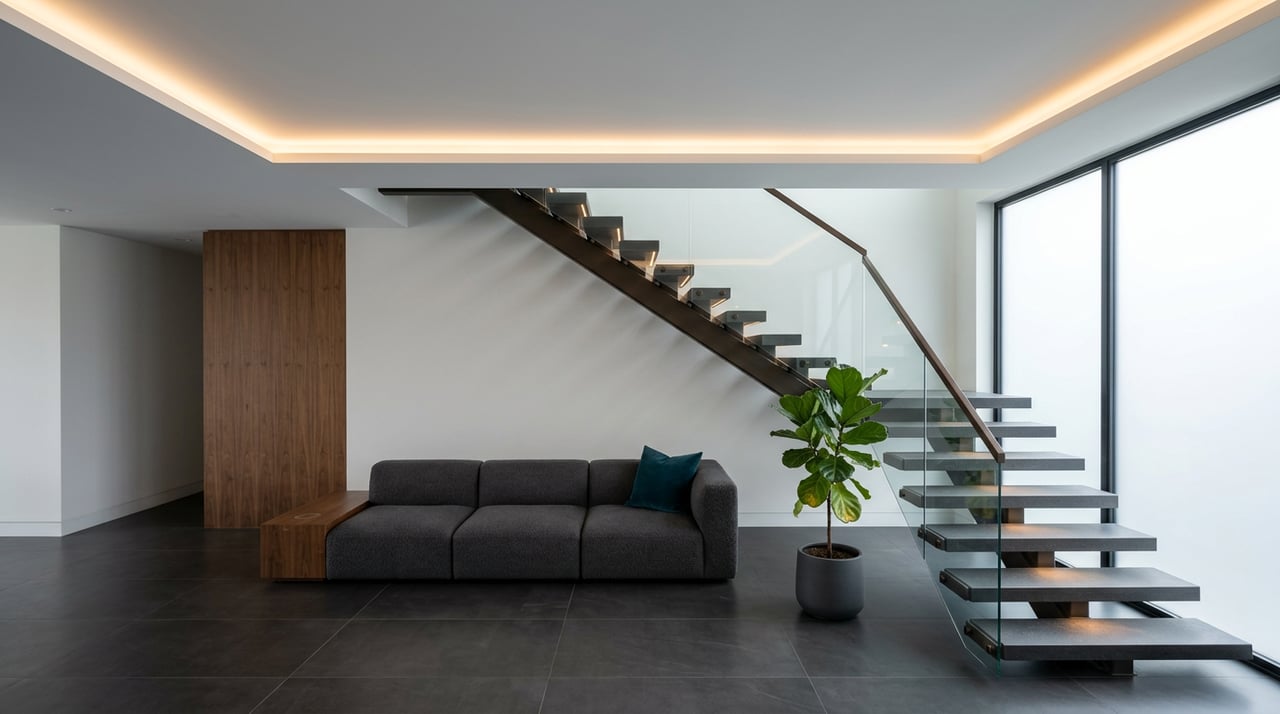
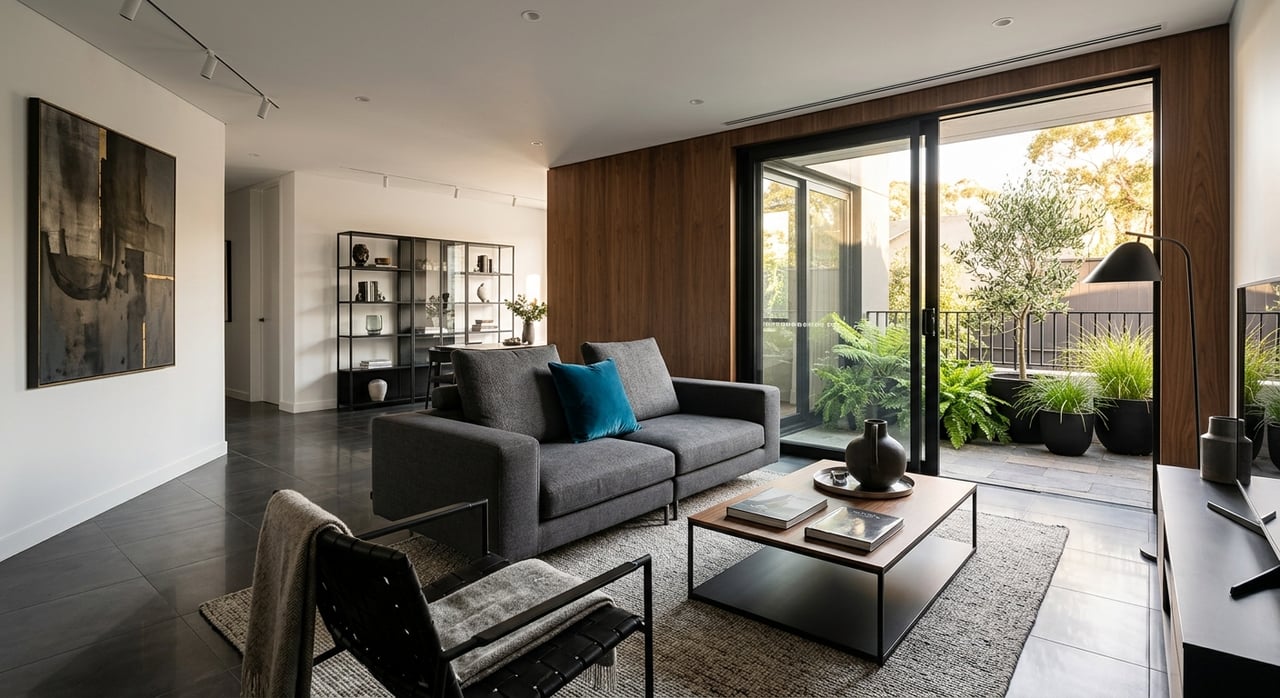
Staging can help buyers picture how they would use the space. According to the 2025 staging report, 83% of buyers’ agents said staging helps buyers visualize a property as a future home. That matters in Woolwich, where many buyers may be looking for a move-in-ready feel and a layout that supports daily routines.
The same report found the rooms most worth staging were the living room, primary bedroom, and kitchen. If you are deciding where to invest time and money first, those spaces deserve priority.
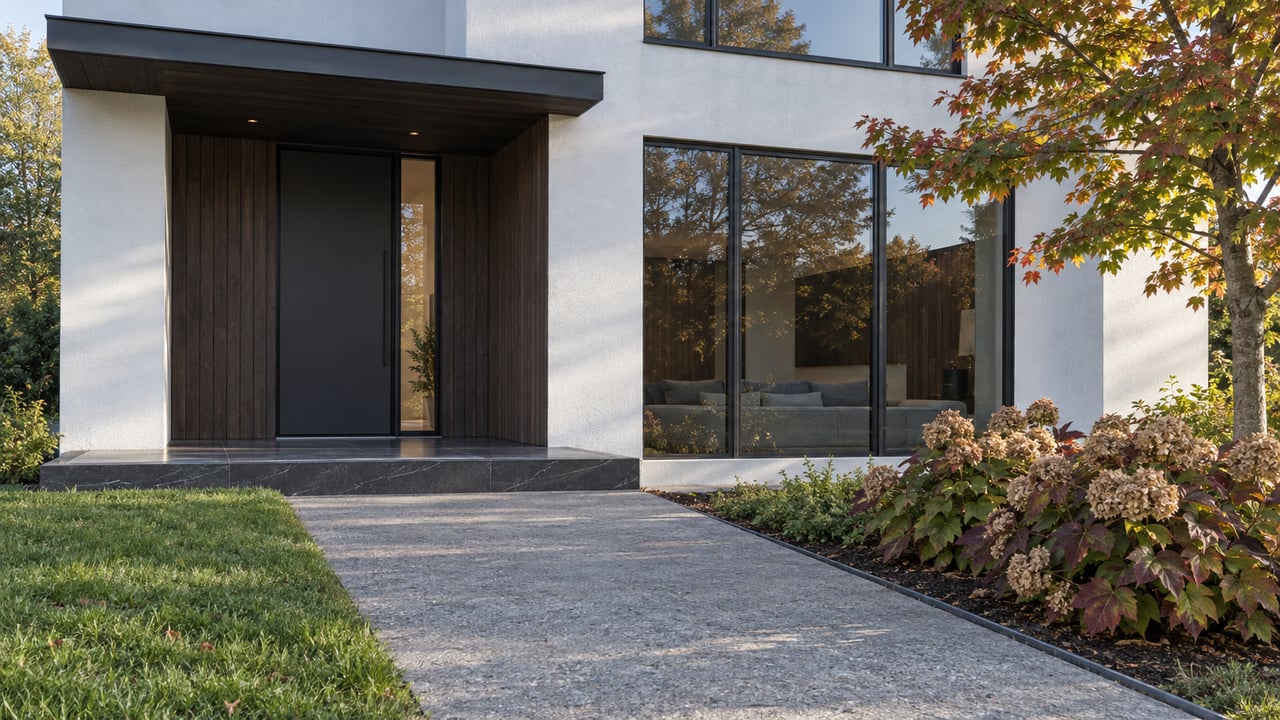
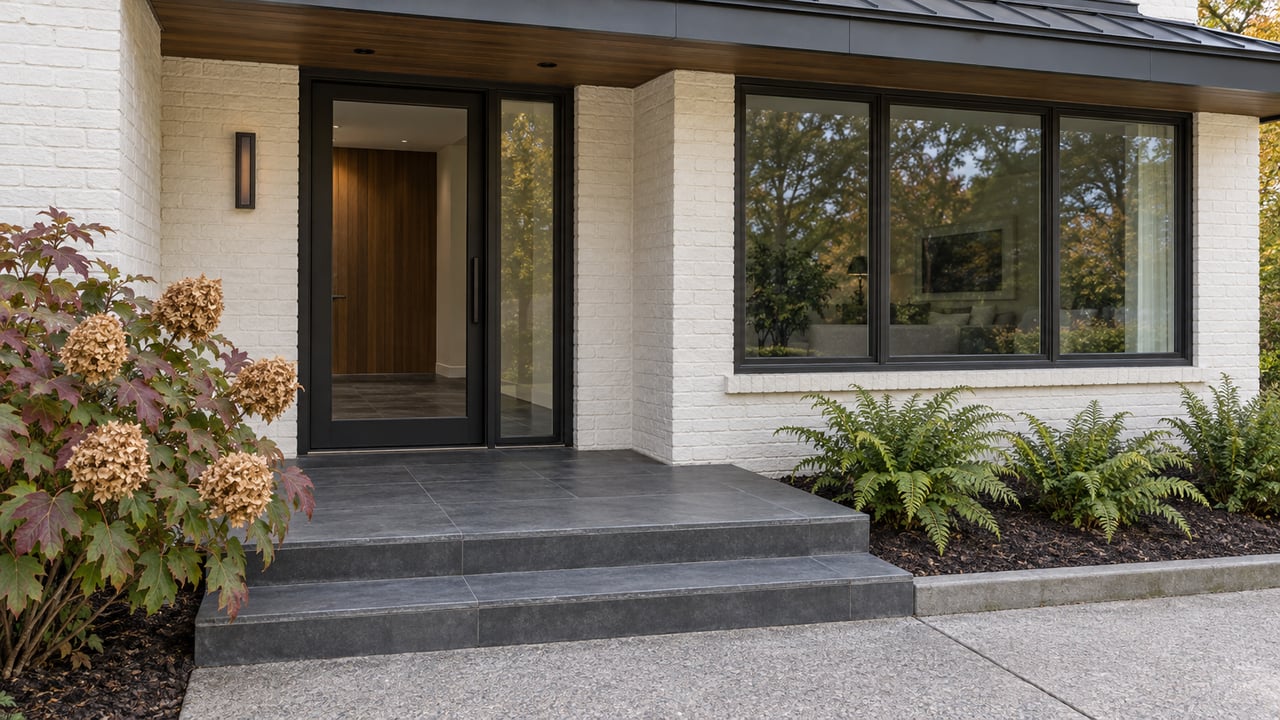
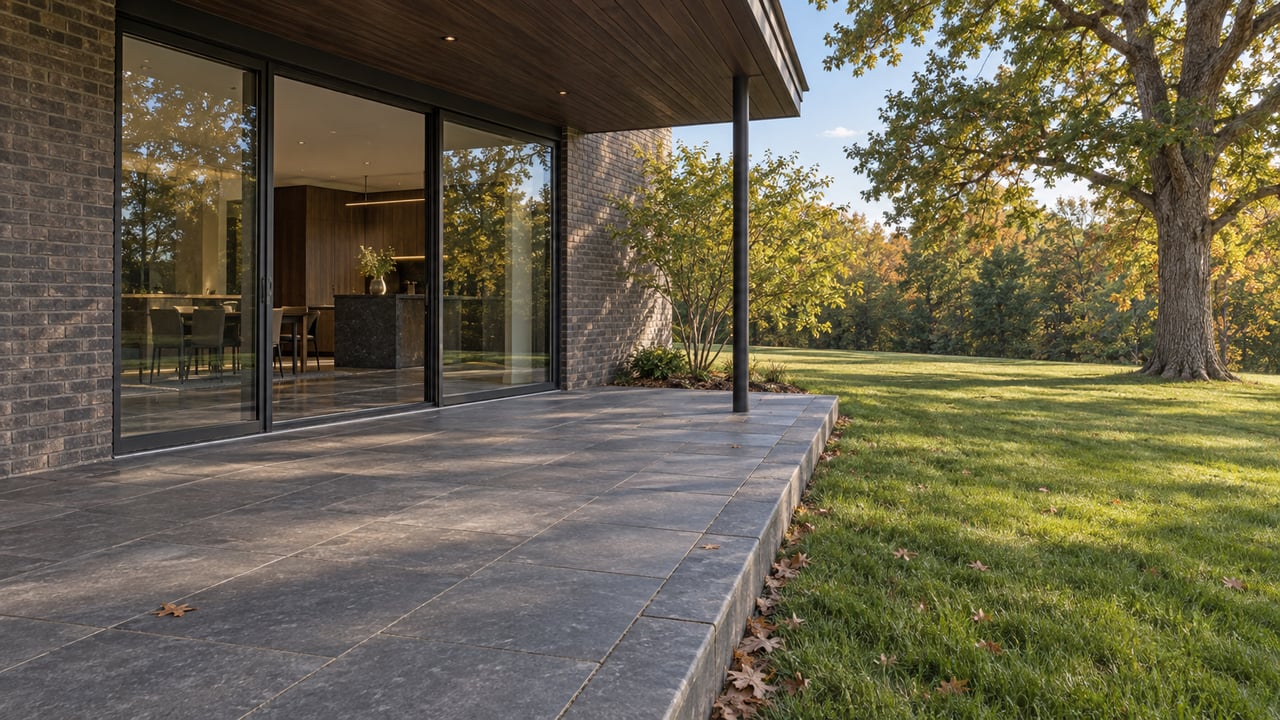
For many Woolwich homes, curb appeal and outdoor areas also support the overall story. If your property has a yard, patio, or preserved views nearby, your marketing should present those spaces clearly and cleanly. Buyers are not only comparing square footage. They are also comparing how a home fits the lifestyle they want.
Make your online presentation do the heavy lifting
Most buyers begin their search online, and the listing itself needs to carry real weight. In the 2024 buyer trends report, 52% of buyers found the home they purchased on the internet. When asked which features were most useful online, buyers pointed to photos, detailed property information, floor plans, virtual tours, videos, neighborhood information, and open-house details.
That means professional photography is not optional. It is one of the core tools that helps your home stand out in a crowded feed of listings. Dark, blurry, or incomplete photos can hold back even a strong property.
Detailed information matters too. Buyers want to know how the home lives, not just the basic bedroom and bathroom count. Clear descriptions, floor plans, room flow, outdoor features, and practical details can help turn online interest into actual showings.
Use video, virtual tours, and a microsite
A full media package can help your home compete more effectively. The same buyer data shows that videos and virtual tours matter to many shoppers, and the staging report found that listing agents also see strong value in photos, physical staging, videos, and virtual tours.
For Woolwich sellers, a dedicated listing microsite can be especially useful. It gives buyers one place to view the home’s photos, video, floor plan, and detailed property information without relying only on a standard MLS display.
A microsite can also provide local context that helps buyers understand the setting. For example, you can present factual details about commuter access and school district structure in a simple, buyer-friendly way. In Woolwich Township, the Swedesboro-Woolwich School District serves grades PK through 6, and Kingsway Regional serves grades 7 through 12.
Tell a location story without overdoing it
Your home does not exist in a vacuum. Buyers often respond to homes that are presented as part of a clear, useful location story. In Woolwich, that story may include commuter convenience, preserved open space, established residential areas, and access to nearby employment centers.
The key is to stay factual and relevant. Mention practical points such as proximity to major roads, nearby regional destinations, and local township characteristics. That helps buyers picture daily life without relying on vague or overly broad claims.
This is especially important because buyers often involve other decision-makers. The staging report found a median 23% of respondents said buyers brought non-purchasing family members to showings. The more clearly your marketing explains the home and its setting, the easier it is for everyone involved to understand the value.
Launch like an event, not a draft
In a market with short days on market, your listing should not go live half-finished. If buyers see a home with missing photos, no floor plan, weak copy, or no open-house plan, you may lose attention that is hard to regain.
A better approach is an event-style launch. That means having your photography, staging, video, floor plan, listing description, and showing plan ready before the home hits the market. When everything is live at once, you create a stronger first impression and give buyers more reasons to book a showing quickly.
Open houses can still play a role here. The 2024 buyer trends report found that 50% of buyers used open houses as an information source. In Woolwich, that supports a coordinated rollout that combines strong online exposure with in-person access early in the listing period.
Emphasize certainty and convenience
Many sellers are not just trying to get a good price. They also want a clear plan and less stress. National research cited in the report shows that sellers prioritize help marketing the home, pricing it competitively, and selling within a specific timeframe.
That lines up with what many Woolwich homeowners need, especially if they are buying another home, relocating, or trying to coordinate a move with work or family schedules. In this kind of situation, certainty becomes part of the marketing strategy.
A guaranteed-sale program can be a helpful tool for sellers who want a more defined exit window. It should support, not replace, strong pricing and presentation. When paired with polished marketing and local strategy, it can reduce anxiety and help you move forward with more confidence.
Why local execution matters
Woolwich is not a market where generic listing tactics are enough. The area’s commuter location, owner-occupied housing profile, preserved open space, and quick market pace all shape how your home should be presented.
That is why a local, marketing-first approach can make a difference. The right plan brings together pricing, staging, media, and launch timing so your home enters the market in its strongest position.
If you want to sell in Woolwich Township with a strategy built around exposure, buyer demand, and timing certainty, connect with Nancy Kowalik Group at Your Home Sold Guaranteed Realty to request a free home valuation and guaranteed sale plan.
FAQs
What are the best marketing tips for selling a home in Woolwich Township?
- Focus on disciplined pricing, professional staging, high-quality photography, detailed property information, video, virtual tours, and a complete launch plan before the listing goes live.
How fast are homes selling in Woolwich Township, NJ?
- Recent public portal data in the research report showed a median of 13 to 17 days on market, depending on the source.
What should sellers highlight in Woolwich Township listing marketing?
- Sellers should highlight property condition, layout, outdoor features when relevant, commuter access, and factual local context such as preserved open space and regional road access.
Does staging really help homes sell in Woolwich Township?
- Yes. The research report cites data showing 83% of buyers’ agents said staging helps buyers visualize a property as a future home, with the living room, primary bedroom, and kitchen as top priority spaces.
Why is a strong online listing important for Woolwich Township sellers?
- The research report shows many buyers find homes online first and value photos, detailed property information, floor plans, virtual tours, and videos when deciding which homes to see in person.