Selling your home without a plan can turn a fast-moving market into a stressful scramble. If you want to sell in Gloucester County, timing matters just as much as pricing and presentation. The good news is that when you prepare early, understand New Jersey steps, and launch with a clear strategy, you can move with more confidence. Let’s dive in.
Why planning matters in Gloucester County
Gloucester County is active, but it is not one-size-fits-all. Recent market trackers show homes moving in a matter of weeks, with county-level figures ranging from about 14 to 33 days on market depending on the source and metric. The practical takeaway is simple: a well-prepared home can attract attention quickly, while a home that misses the mark may lose momentum.
That is why your sale plan should be built around your specific home, price point, and local submarket. Conditions can vary within the county. For example, reported market pace and pricing differ between places like Mullica Hill and Deptford, so neighborhood-specific comparable sales matter more than a broad county headline.
Start earlier than you think
Many sellers wait until they are almost ready to move before starting the sale process. In Gloucester County, that can create unnecessary pressure. A smarter approach is to begin planning at least 4 to 8 weeks before you want to list.
That window gives you time to gather documents, review disclosures, handle repairs, and line up any local compliance items. It also gives you breathing room to prepare the home for photos, showings, and buyer feedback without rushing every decision.
Build your pre-listing timeline
Before your home ever hits the market, there is real work to do behind the scenes. For a typical well-maintained home, a realistic pre-listing prep window is often about 1 to 3 weeks, though some homes need longer if repairs, staging, or municipal certifications are involved.
A solid pre-listing plan often includes:
- Gathering property records and past upgrade information
- Reviewing known material defects for seller disclosure forms
- Checking whether flood-risk information must be disclosed
- Confirming smoke alarm compliance certificate requirements through the municipality
- Identifying any property-specific items that may come up, such as radon, septic, well testing, or certificate of occupancy requirements
- Completing repairs, cleaning, staging, and photography
The earlier you organize these items, the easier it is to avoid delays later. In New Jersey, some disclosures are expected before the buyer becomes obligated under contract, so last-minute prep can create unnecessary risk.
Disclosures and compliance come first
One of the most important parts of planning your sale is getting ahead of disclosure and compliance requirements. New Jersey’s seller disclosure statement says sellers must disclose known material defects, and the form is intended to be received before the contract of sale is signed. The state’s flood disclosure law also requires specific flood-risk information before the purchaser becomes obligated under contract.
For one-family and two-family homes, New Jersey also requires a smoke alarm compliance certificate before sale or change of occupancy. The certificate is obtained through the municipality with jurisdiction and is valid for six months from issue. Some municipalities may also have their own approval processes, so it helps to verify local timing early.
If your home has property-specific features, planning matters even more. Depending on the home, settlement-related items can include a flood search, radon testing, smoke detector certification, certificate of occupancy, septic certification, or well testing. You may not need all of these, but it is much easier to sort them out before your listing goes live.
Prepare your home for the market
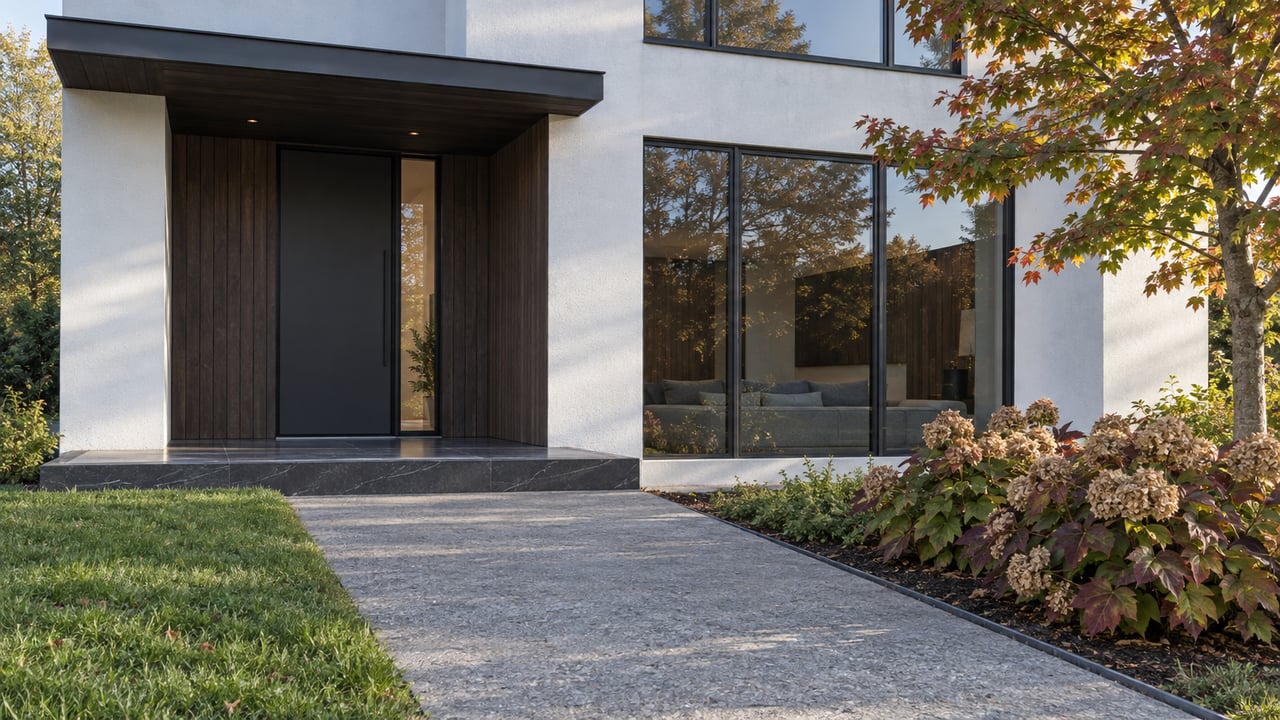
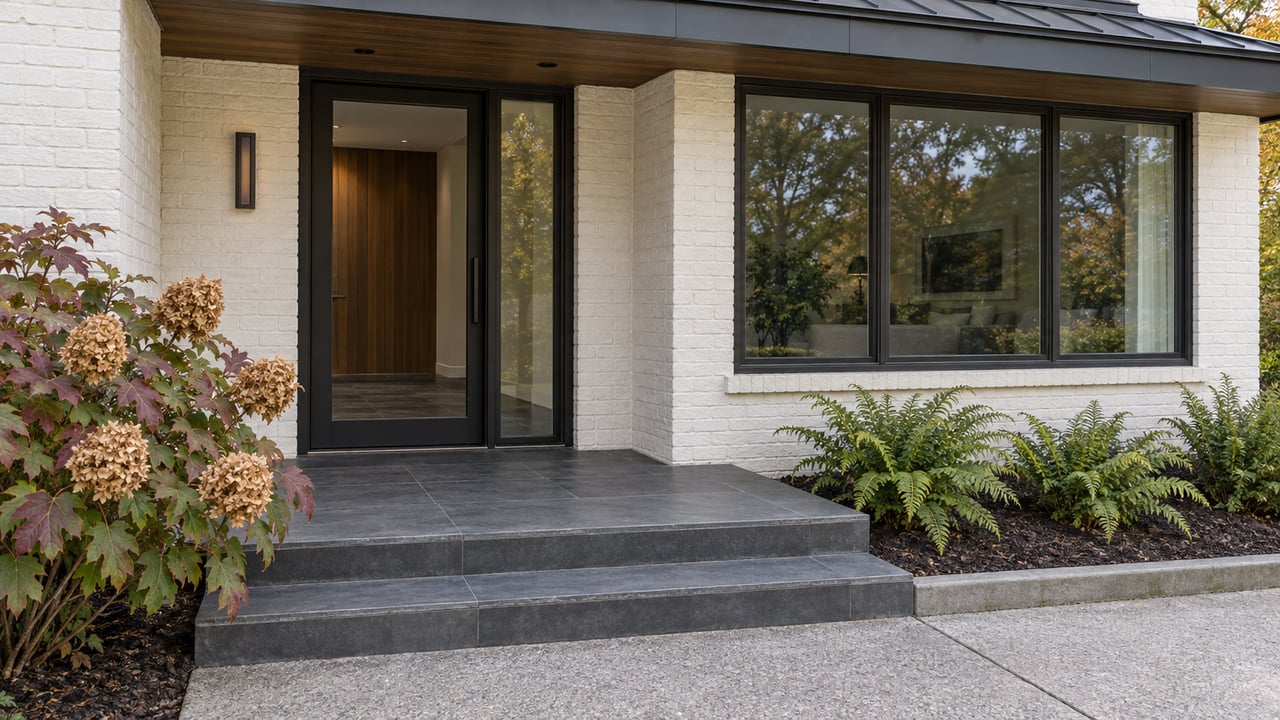
In a market where homes can move quickly, presentation still matters. A strong launch starts before the first showing. Decluttering, deep cleaning, and improving curb appeal are among the most common recommendations tied to better buyer response.
National staging survey results cited in the research report found that many agents saw staging reduce time on market, and some reported higher dollar value offered as well. That does not mean every home needs a major redesign. It does mean that thoughtful presentation can help your home compete more effectively from day one.
For many sellers, the final 1 to 2 weeks before launch should focus on:
- Finishing cleaning and decluttering
- Completing touch-up repairs
- Tightening curb appeal
- Finalizing staging
- Scheduling professional photography and video
- Setting showing instructions and launch timing
This is where a marketing-first approach can make a real difference. When your home looks polished and launches with strong visuals, you give buyers a better first impression and create a stronger case for your asking price.
Price for your submarket, not the headlines
Pricing is one of the biggest timeline decisions you will make. County-wide numbers are useful for context, but they do not replace neighborhood-specific strategy. A home that is priced correctly for its submarket is more likely to move within the county’s current pace. A home that starts too high may sit, require reductions, and enter a slower correction cycle.
That matters because recent county data also showed a share of sales with price drops. In practical terms, the first pricing decision often shapes whether your home rides early momentum or loses leverage. If your goal is a smoother sale, accurate pricing is not about guessing low or high. It is about aligning your list price with current buyer behavior in your part of the market.
What to expect after listing
Once your home goes live, the next phase usually moves in weeks, not months. Based on the county market ranges in the research report, a practical estimate for a well-priced, well-presented Gloucester County home is about 2 to 5 weeks from listing to accepted offer.
During that period, you should expect showings, buyer questions, feedback, and possible offer negotiations. This is another reason why early prep matters. When your home is clean, compliant, and market-ready, you can focus on evaluating offers instead of solving preventable problems in the middle of the process.
Understand the New Jersey contract timeline
In New Jersey, the accepted offer is not the finish line. It is the start of the next stage. The contract should clearly state important timing details, including financing deadlines, closing date, possession, and provisions for title searches and inspections.
New Jersey’s standard broker-prepared contract also includes a three-business-day attorney review period after delivery of the fully signed contract. During that window, the buyer’s or seller’s attorney may propose revisions or void the contract. That means your timeline is not fully dependable until attorney review is complete.
After attorney review, the buyer may schedule inspections, the lender may order an appraisal, and financing moves through underwriting. These steps can take several weeks or more depending on scheduling and lender speed. Sellers should be careful about locking in a hard move-out date too early.
Plan for closing day details
Closing includes more than just signing papers. In New Jersey, closings are usually face-to-face meetings involving the buyer, seller, agents, attorneys, a title clerk, and a mortgage representative. After closing, the deed and mortgage are recorded as soon as possible, and Gloucester County’s Clerk handles recording for deeds, mortgages, judgments, and other land records.
Sellers also have important closing-side paperwork. The state tax guide says most sellers must furnish the Affidavit of Consideration for Use by Seller, most sellers are responsible for the Realty Transfer Fee at closing, and all sellers must furnish a GIT/REP form to record the deed. Some sellers may also owe an estimated tax payment.
Lenders must provide the Closing Disclosure at least three business days before closing. That waiting period is another reason your move plan should stay flexible until the transaction is clearly on track.
A practical home sale timeline
If you want a simple framework, this is a reasonable way to think about a Gloucester County sale:
Four to eight weeks before listing
Start gathering records, reviewing disclosures, checking flood and smoke or carbon monoxide compliance, and identifying repairs. If you are planning to stage or invest in presentation, this is the time to make those decisions.
One to two weeks before launch
Finish cleaning, staging, photography, and showing preparation. Confirm the final pricing strategy and make sure your listing is ready to hit the market in polished condition.
First two to five weeks on market
Expect showings, buyer feedback, and possible offers if the home is priced correctly for its location and condition. This is the window where preparation and first impressions tend to matter most.
After offer acceptance
Plan for attorney review, inspections, appraisal, lender review, and closing coordination. Keep your moving timeline flexible until those major milestones are clearer.
How a strong sale plan reduces stress
The best home sale plans do more than save time. They reduce surprises. When you know what documents you need, what compliance items may apply, and how long each phase may take, you can make better decisions about pricing, repairs, moving, and your next purchase.
That is also where experienced local guidance matters. A marketing-first strategy, strong presentation, and a realistic timeline can help you protect momentum and reduce the risk of delays that eat into your leverage.
If you are thinking about selling in Gloucester County, your next step is not guessing a list date. It is building a timeline that matches your home, your goals, and today’s market pace. For a local, marketing-driven plan built around your timing, connect with Nancy Kowalik Group at Your Home Sold Guaranteed Realty to request a free home valuation and guaranteed sale plan.
FAQs
How long does it take to sell a home in Gloucester County?
- For a well-priced, well-presented home, a practical estimate is about 2 to 5 weeks from listing to accepted offer, based on current county market ranges in the research report.
When should you start planning a home sale in Gloucester County?
- It is often smart to start 4 to 8 weeks before your target listing date so you have time for disclosures, repairs, staging, photography, and local compliance steps.
What disclosures are required when selling a home in New Jersey?
- Sellers must disclose known material defects, and New Jersey also requires certain flood-risk information to be disclosed before the buyer becomes obligated under contract.
What certificate may be needed before closing on a New Jersey home sale?
- For one-family and two-family dwellings, a smoke alarm compliance certificate is required before sale or change of occupancy, and it is obtained through the municipality with jurisdiction.
What happens after you accept an offer in New Jersey?
- After acceptance, the sale typically moves through a three-business-day attorney review period, then inspections, appraisal, lender review, and closing preparation.
What can slow down a home sale in Gloucester County?
- Common issues include overpricing, needed repairs, incomplete disclosures, attorney review changes, inspection findings, lender delays, and municipality-specific certification timing.