Thinking about buying or selling in East Greenwich and wondering whether an HOA is worth it? You are not alone. Between lifestyle perks, maintenance responsibilities, and long-term costs, the HOA question can shape your day-to-day living and your budget. In this guide, you will see clear pros and cons for both paths in East Greenwich Township, plus practical steps to evaluate any property with confidence. Let’s dive in.
HOA vs. no HOA in East Greenwich
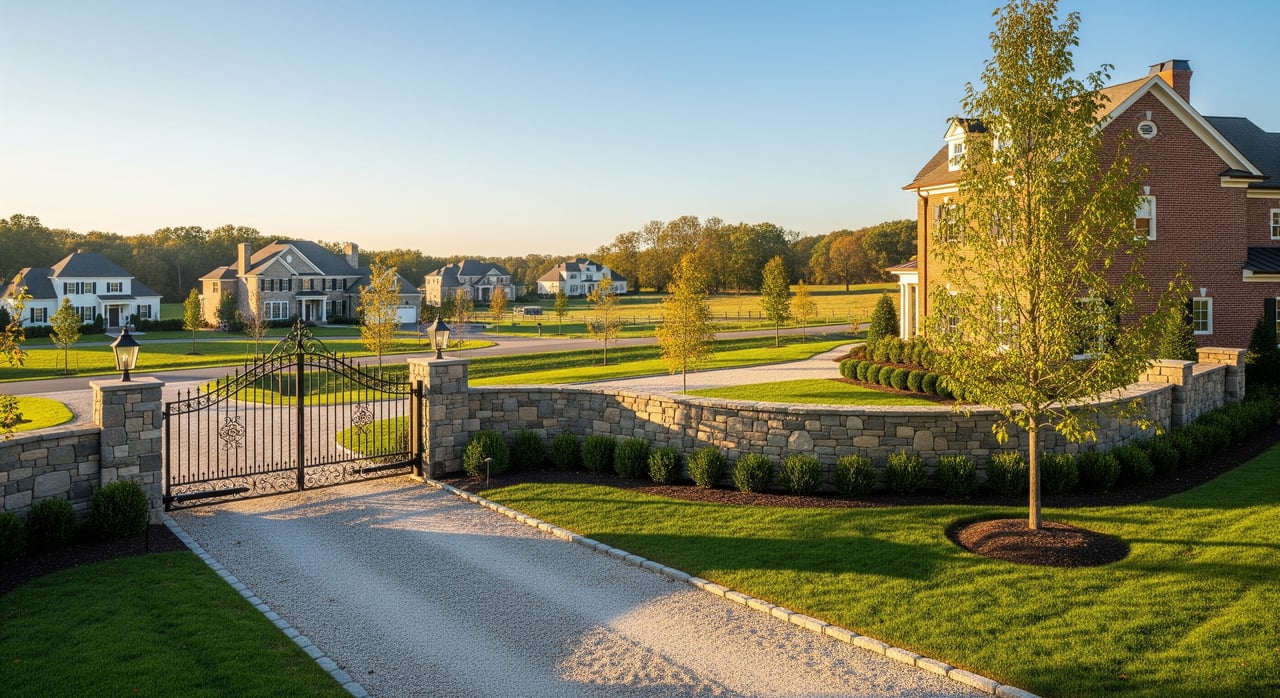
East Greenwich Township offers a mix of suburban neighborhoods and semi-rural pockets. You will find single-family homes, townhomes, and planned subdivisions, some with homeowners associations and some without. Because commuting patterns and school-district assignment often matter here, many buyers weigh lifestyle factors alongside costs when comparing HOA and non-HOA options.
Across New Jersey, property taxes are relatively high compared with other states, so your total monthly cost often depends more on mortgage and taxes than on HOA fees. That is why it helps to look at the full picture, not just whether there is a monthly assessment.
Lifestyle differences
Rules and flexibility
- HOA neighborhoods typically have rules that guide exterior paint, landscaping, fences, parking, satellite dishes, and holiday displays. An architectural review process is common. These standards can support a consistent look across the neighborhood, but they reduce your freedom to make changes on your own timeline.
- Non-HOA homes usually have fewer private rules. You often have more flexibility for exterior updates and how you use your property, as long as you follow municipal codes and any recorded covenants that apply to the parcel.
Amenities and services
- HOAs may include amenities like a clubhouse, pool, playgrounds, or private roads, plus common-area landscaping and snow removal on HOA-maintained areas. If you prefer a maintenance-light lifestyle with shared spaces, this can be a fit.
- Non-HOA homes do not include shared amenities, so your access depends on what you provide yourself or what public parks offer. You decide how and when to maintain your property.
Community governance
- HOAs are run by boards and committees. Meetings and elections shape budgets, rules, and community projects. Active governance can promote neighborhood standards and social programs, though strict enforcement can cause friction for some owners.
- In non-HOA areas, community norms are more informal. There is typically less collective decision-making and fewer pooled services.
Local service considerations
In parts of East Greenwich, municipal services like public road plowing, trash collection, and school bus routes may be the same for both HOA and non-HOA areas. The real differences often come from private services an HOA provides, such as maintaining private roads or common landscaping. If you want a pool, a clubhouse, or a uniform neighborhood look, you should map those preferences to specific communities before you shop.
Maintenance responsibilities
HOA-maintained items
- Associations commonly handle common-area landscaping, private road repairs, snow removal for HOA areas, and upkeep for amenities like pools and playgrounds. In some condo or townhome communities, exterior building maintenance is also included.
- HOAs typically build reserve funds for future repairs. The strength of that reserve is a key indicator of fiscal health and can affect the risk of special assessments.
Non-HOA upkeep
- As a non-HOA homeowner, you are responsible for all exterior work, including roofing, driveways, landscaping, and fences. This can increase your time commitment and make costs more variable.
- You control the quality, timeline, and contractors for work. There is no shared reserve fund, so large capital expenses fall solely on you when they arise.
Costs and financial risk
HOA fees and assessments
- HOAs charge regular assessments, often monthly or quarterly, to fund operations, insurance for common property, and reserves. Fees can increase, and communities may levy special assessments for unexpected repairs or funding shortfalls.
- Ask about transfer fees, move-in fees, or tenant application fees if you plan to rent. Even with robust common insurance, you will still need your own policy for interior coverage and personal liability.
Property taxes in New Jersey
- New Jersey has relatively high property taxes compared with other states. In East Greenwich, your total ownership cost often depends more on mortgage plus taxes than on HOA fees. Compare apples to apples by adding mortgage, taxes, and HOA assessments when you evaluate similar homes.
Insurance considerations
- Association master insurance often covers common areas and certain exterior elements. It does not replace a homeowner’s policy for interior finishes and personal belongings. Clarify what the master policy covers and where your responsibilities begin before you bind coverage.
How to evaluate an HOA property
Buying into an association is buying into a community and its balance sheet. Use this checklist early, ideally before you finalize your offer.
Documents to request
- Governing documents: Declaration or CC&Rs, Bylaws, Articles, and all amendments.
- Budget and financial statements: current operating budget, balance sheet, income statement, recent bank statements.
- Reserve study and current funding plan.
- Meeting minutes: at least the last 12 to 24 months.
- Insurance certificate: master policy declarations, limits, and deductibles. Confirm owner vs. association responsibilities.
- Rules and regulations: parking, pet policies, leasing restrictions, architectural approvals.
- Litigation disclosure: any pending lawsuits or recent disputes.
- Assessment history: fee increases and any special assessments.
- Resale or estoppel certificate: current owner account status and known violations.
Questions to ask
- Are fees current, and how often have they increased in the last five years?
- Has a reserve study been completed, and what percent of recommended reserves is funded?
- Are any capital projects planned that could trigger a special assessment?
- What services are included in the assessment, such as lawn care, snow removal, trash, exterior insurance, or security?
- Are rentals allowed, and are there occupancy limits?
- Has there been any major litigation or contractor disputes in the last five years?
- Who enforces rules, and what is the fine process?
Red flags to watch
- No recent reserve study and low reserves.
- Frequent or large special assessments.
- Ongoing or repeated litigation.
- Incomplete or inconsistent financial documents.
- Unclear rental restrictions if rental income matters to you.
Field checks
- Visit at different times and days to see parking, noise, and amenity conditions.
- Confirm which roads are public versus private and who plows them.
- Order a resale or estoppel certificate during due diligence to capture exact balances and restrictions.
- Consult a New Jersey real estate attorney if you have questions about liens, foreclosure rights, or unusual CC&R language.
Selling strategy in East Greenwich
If your home has an HOA
- Be clear about included services. Spell out what your fee covers, such as landscaping, snow removal on private roads, exterior building items in a townhome community, pool access, and trash.
- Highlight amenity condition and recent upgrades. If the community resurfaced roads, renovated the clubhouse, or updated the pool, share that. Point to strong reserves when allowed.
- Share meeting-minute highlights that show stable budgets and predictable assessments.
- Emphasize convenience for buyers who want less exterior maintenance and a consistent neighborhood appearance.
If your home has no HOA
- Showcase autonomy and customization. Buyers who want control over exterior updates value flexibility.
- Emphasize no monthly HOA fee. Offer an estimated annual maintenance budget so shoppers can compare total cost against HOA homes.
- Provide receipts and warranties for recent improvements, like a new roof or HVAC, to reduce perceived risk.
Price to the total monthly cost
Buyers compare mortgage, taxes, and HOA fees together. Present a simple worksheet or summary that shows how your home stacks up against nearby alternatives. If the reserve study shows upcoming projects, be ready to explain the plan and any potential assessment exposure.
Which option fits you
Choose an HOA if you value:
- Shared amenities like a pool or clubhouse.
- A low-maintenance lifestyle with common-area services.
- Consistent neighborhood standards supported by rules and design reviews.
Choose a non-HOA home if you value:
- Maximum flexibility for exterior changes and property use.
- No recurring HOA assessments.
- Direct control over when and how you invest in maintenance.
If you are relocating to East Greenwich for commuting or school-district access, weigh those needs first, then match them to the communities that best fit your lifestyle and budget.
What to do next
- Compare total monthly cost for two or three homes that you like, both HOA and non-HOA.
- For any HOA you consider, review documents and financials early. Order a resale or estoppel certificate and clarify insurance coverage lines.
- Walk the neighborhood to confirm conditions and culture.
- For legal questions about association powers in New Jersey, consult a local real estate attorney or New Jersey Department of Community Affairs resources.
Considering a move in East Greenwich or nearby South Jersey? Get a clear strategy and a stress-reducing plan tailored to your goals. Reach out to the Nancy Kowalik Group at Your Home Sold Guaranteed Realty to compare options, price confidently, and move on your timeline.
FAQs
What does an HOA typically cover in East Greenwich?
- Many associations handle common-area landscaping, private road maintenance, snow removal on HOA areas, and amenity upkeep. Some condo or townhome HOAs also include portions of exterior building maintenance, but coverage varies by community documents.
How do New Jersey property taxes affect the HOA decision?
- New Jersey property taxes are relatively high compared with other states, so your total monthly cost often depends more on mortgage plus taxes than on HOA fees; compare full monthly costs across similar homes before deciding.
Can an HOA place a lien or foreclose in New Jersey?
- Associations in New Jersey generally have authority to levy assessments, record liens for unpaid amounts, and pursue collection, which can include foreclosure in some circumstances; consult a New Jersey real estate attorney for specifics on any community.
What documents should I review before buying into an HOA?
- Ask for CC&Rs, Bylaws, amendments, current budget and financials, reserve study, recent meeting minutes, master insurance details, rules and regulations, litigation disclosures, assessment history, and a resale or estoppel certificate.
How can I compare an HOA home to a non-HOA home fairly?
- Build a side-by-side that includes mortgage, taxes, and HOA fees, then factor in expected maintenance; for non-HOA homes, set a realistic annual reserve for roof, HVAC, driveway, and landscaping.
Are municipal services the same in HOA and non-HOA neighborhoods?
- In some East Greenwich areas, public services like trash collection and public road plowing are similar, while HOAs may add private services such as maintaining private roads or common landscaping; confirm specifics for each neighborhood.